Patterns Emerging from Algorithmic Odds Shifts During Multi-Sport Live Sessions and Their Ties to Self-Limit Features
Otto Werner · Aug 23, 2026
Patterns Emerging from Algorithmic Odds Shifts During Multi-Sport Live Sessions and Their Ties to Self-Limit Features
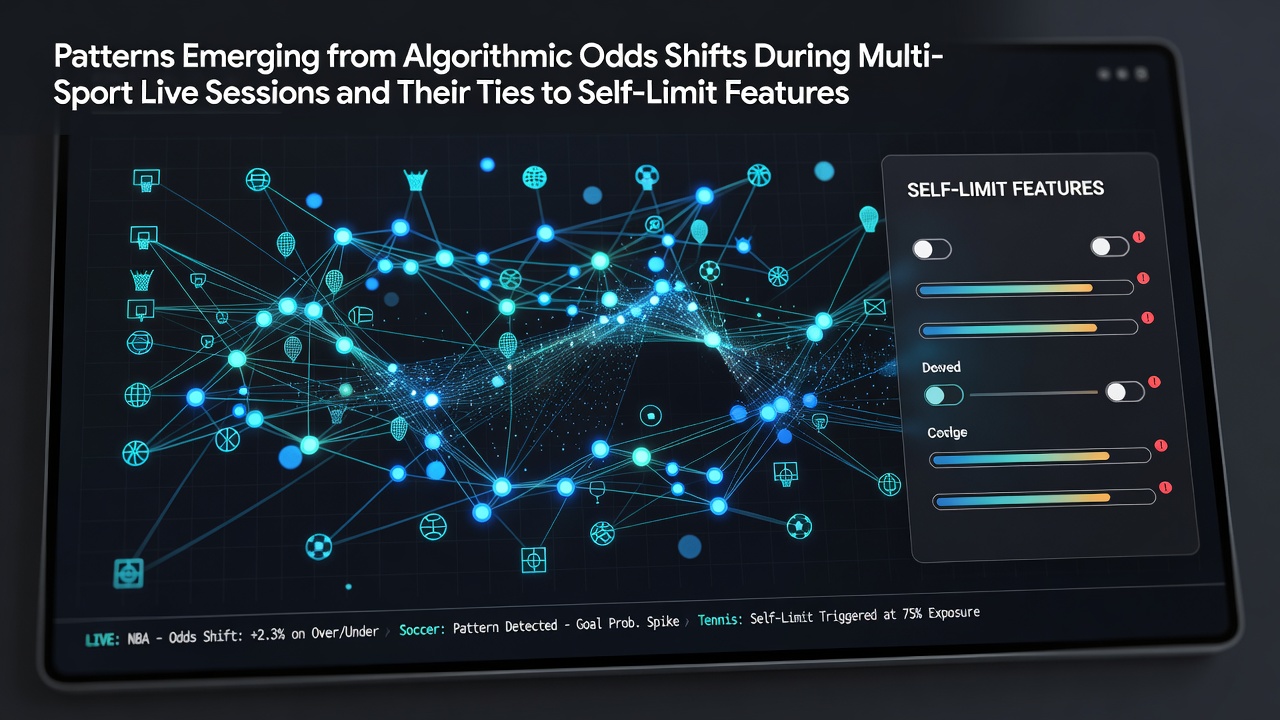
Algorithmic systems in live betting environments adjust odds continuously as events unfold across several sports at once, and observers have tracked recurring sequences in those movements that align with moments when bettors activate self-limit tools. These patterns surface most clearly during overlapping fixtures such as tennis matches running alongside football and basketball games, where rapid data inputs trigger recalculations that appear in clusters rather than random spikes. Researchers at academic institutions have catalogued sequences where odds tighten sharply on one market immediately before users set deposit caps or session timers, suggesting the algorithms respond to aggregated user behavior signals collected in real time.
Real-Time Data Flows Across Concurrent Events
Multi-sport live sessions generate vast streams of statistics that feed into pricing engines, and the engines recalibrate margins within seconds when new information arrives from separate venues. One documented sequence occurs when a tennis set ends during a football half-time break, prompting simultaneous adjustments that ripple through correlated markets. Data compiled through August 2026 indicates these adjustments cluster around periods of high user engagement, with odds on underdog outcomes shifting by measurable percentages just before self-limit prompts appear in player interfaces. Those who monitor these flows note that the shifts often follow a predictable order: initial tightening on primary events, followed by secondary corrections on linked props, and finally stabilization once volume thresholds are reached.
Identified Sequences Linking Odds Movement to Limit Activation
Studies conducted by independent research groups have isolated three repeating sequences that connect algorithmic recalibrations to self-limit usage. The first sequence begins with concentrated betting on a single outcome across two or more sports, after which the algorithm narrows margins and users receive limit-setting notifications. The second sequence involves staggered shifts where one sport’s odds move first, triggering a cascade that affects the second sport minutes later, coinciding with increased activation of time-based restrictions. teh third sequence appears when overall session volume exceeds platform thresholds, prompting broader recalibrations that precede users electing to impose loss limits. Figures released by the Canadian Centre on Substance Use and Addiction reveal similar timing patterns in anonymized datasets, showing that roughly one in four limit activations occurs within a narrow window after such algorithmic events.

Platform Mechanisms and Behavioral Indicators
Operators integrate self-limit features directly into the same interfaces that display live odds, so users encounter prompts at moments when algorithmic activity peaks. These prompts draw on behavioral flags derived from betting velocity and stake distribution across concurrent events. When algorithms detect rapid successive wagers on disparate sports, the system surfaces limit options that reference recent activity rather than generic warnings. Observers tracking platform logs report that users who encounter these prompts during clustered odds shifts tend to complete the limit-setting process at higher rates than during static periods. Academic analyses of session data further indicate that the presence of multi-sport overlap increases the likelihood of such prompts appearing, because the combined data volume accelerates the detection of risk indicators.
Regional Regulatory Context and Reporting Standards
Regulatory frameworks in several jurisdictions now require operators to log correlations between algorithmic pricing changes and responsible gambling interventions. Australian government health reports document how platforms must record timestamps for both odds recalibrations and limit activations, enabling external review of the sequences described above. Similar requirements exist in Canadian provincial oversight regimes, where aggregated statistics show consistent alignment between live-session volatility and self-limit uptake. These reporting standards have produced datasets that researchers continue to examine for longer-term trends, particularly as live multi-sport offerings expand into additional markets during 2026.
Conclusion
The documented patterns demonstrate measurable connections between algorithmic odds movements in multi-sport live environments and the activation of self-limit features, supported by timing data from multiple regulatory and academic sources. Continued monitoring through structured reporting will clarify whether these sequences remain stable as platforms refine their pricing engines and user tools.